


5 Amazing Ways a Dog Can Change Our Lives

A dog does not just enter a home. A dog changes the shape of a day.
The morning looks different when a tail is thumping against the floor before the alarm has finished ringing. The walk around the block becomes less like a chore and more like a small ritual. The quiet parts of the house feel warmer. Even ordinary moments, tying shoes, opening the front door, sitting on the couch after dinner, can feel fuller because someone is thrilled to share them.
Bringing a dog into your life is not a small decision. Dogs need time, care, training, patience, money, and a safe home. But for many people, the rewards go far beyond cute photos and playful energy. A dog can shift habits, soften loneliness, strengthen routines, and teach lessons that stay with us.
Here are five of the most amazing ways a dog can change our lives, often in simple ways that build over time.
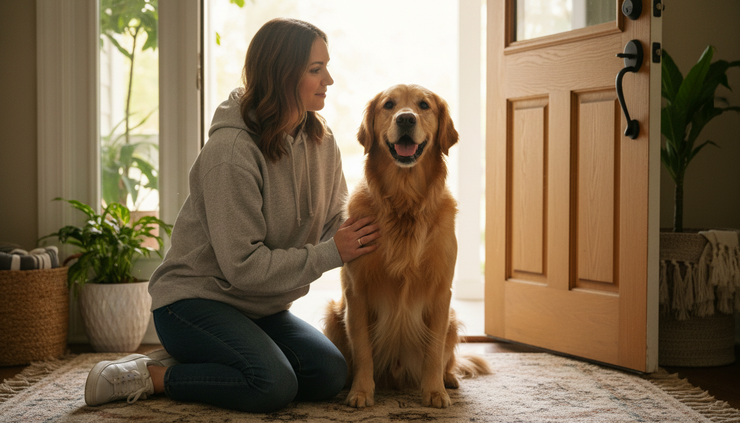
1. A dog can bring structure to everyday life
Dogs thrive on routine. They need meals, walks, bathroom breaks, play, rest, and attention. At first, this can feel like a lot. Over time, though, that rhythm can help people build a steadier day.
A dog does not care if the weather is perfect or if a schedule feels inconvenient. When it is time to go out, it is time to go out. That simple need can pull a person out of bed, away from a screen, or out of a slump.
This structure can be especially helpful during life changes. Moving to a new city, working from home, retiring, or going through a hard season can make the days feel loose and undefined. A dog adds anchors.
Morning walk. Breakfast. Training practice. Afternoon play. Evening walk. Quiet time.
Those anchors give the day a gentle shape.
There is also a strong sense of responsibility that comes with caring for a dog. A person starts thinking beyond their own comfort. Is the water bowl full? Did the dog get enough exercise? Is the leash by the door? Has the dog had enough calm time?
That responsibility can feel grounding. It reminds us that love often shows up through small repeated actions, not big dramatic moments.
A dog also teaches consistency. Training does not work well when rules change every hour. If jumping on visitors is fine one day and not fine the next, the dog gets confused. People learn to be clearer. They learn to repeat what matters. They learn that progress grows through patience.
The result is not just a better-trained dog. The person changes too. Daily life becomes less random and more intentional.
2. A dog can get us moving more
Many people spend a lot of the day sitting. We sit in cars, at tables, on couches, and in front of screens. A dog can break that pattern in a natural way.
Walks are one of the clearest benefits of having a dog. Even a short walk around the neighborhood adds movement, fresh air, and a change of scenery. For active dogs, longer walks, hikes, fetch, or agility-style games can become part of the routine.
The best part is that movement with a dog often feels less like exercise and more like companionship. A walk is not only about steps. It is about sniffing trees, noticing birds, greeting familiar neighbors, and watching your dog enjoy the world with full attention.
Dogs bring people outside in every season. A chilly morning feels easier when a dog is bouncing at the door. A summer evening feels richer when the walk becomes a quiet way to end the day. Even a quick bathroom break can become a moment to stretch, breathe, and look up.
This does not mean every dog needs intense activity. Puppies, senior dogs, small breeds, large breeds, and dogs with health needs all have different limits. Some need long adventures. Some are happiest with slow, short walks and gentle play.
The key is matching activity to the dog in front of you.
Regular movement can support a healthier lifestyle for both dog and person. It may help people feel more energized, sleep better, and spend less time stuck indoors. It can also make the bond stronger because the dog learns, “This person explores the world with me.”
That shared movement becomes a habit. Day after day, pawstep after pawstep, life becomes a little more active.

3. A dog can ease loneliness and bring comfort
Loneliness can be heavy. It can make a room feel too quiet and a long day feel even longer. A dog cannot solve every emotional struggle, but a dog can bring real comfort.
Dogs are present in a way that feels simple and honest. They do not need perfect words. They do not ask for explanations. They notice tone, body language, and routine. Many dog owners know the feeling of a dog resting its head nearby during a sad moment or curling up close after a stressful day.
That kind of companionship matters.
A dog can make home feel less empty. The sound of paws on the floor, the soft breathing during a nap, the excited greeting at the door, all of it creates a sense of life in the space. For someone who lives alone, that presence can be deeply meaningful.
Dogs also encourage touch and affection in healthy ways. Petting a dog, brushing their coat, or sitting beside them can become calming rituals. Research suggests that positive interaction with pets may support emotional well-being for many people, though it is not a replacement for professional care when someone needs medical or mental health support.
The comfort of a dog often comes from routine love.
They are happy to see us even when the day went badly. They celebrate our return from the mailbox as if we crossed an ocean. They forgive quickly. They remind us that connection does not always have to be complicated.
Dogs can also help people feel safer. Some people sleep better knowing a dog will bark at strange sounds. Others feel more confident walking with a companion. Not every dog is protective, and no dog should be treated like a security system without proper training, but their presence alone can bring emotional reassurance.
Life with a dog can still include frustration, noise, messes, and hard days. Yet the comfort they bring often outweighs the inconvenience. Their love becomes part of the emotional background of home.
4. A dog can help us connect with other people
Dogs are natural conversation starters. A person walking alone may pass others with a nod. A person walking a dog often hears, “What’s your dog’s name?” or “Can I say hello?”
Those small exchanges can grow into real connection.
Neighborhood walks become familiar. The person down the street has the beagle who loves to howl. The family across the park has the shy rescue dog. The older man on the corner always keeps treats in his pocket, if the owner says it is okay.
A dog can make a place feel more like a community.
Dog parks, training classes, puppy socialization groups, pet-friendly patios, and local walking trails also create chances to meet people. These settings give people something easy to talk about. Training struggles, funny habits, favorite toys, and grooming tips all become common ground.
For someone who feels shy, a dog can make social moments feel less forced. The focus does not have to stay on the person. It can start with the dog.
Dogs can also strengthen family bonds. Caring for a dog gives people shared tasks and shared joy. One person handles breakfast. Another fills the water bowl. Someone else practices sit, stay, and come. Everyone laughs when the dog carries one sock through the house like a prize.
That shared responsibility can teach children empathy when adults guide them well. Kids can learn that animals have feelings, boundaries, and needs. They learn that a dog is not a toy. A dog needs gentle hands, quiet space, and respect.
Adults learn too. Couples, roommates, and families often have to communicate better when caring for a dog. Who is doing the evening walk? What training rules are we using? Did the dog already eat?
These simple questions can prevent confusion and build teamwork.
A dog’s social gift is not only about meeting strangers. Dogs often help people become more aware of others. A good dog owner learns to notice nervous dogs, ask before greetings, and respect shared spaces. That awareness makes communities kinder and safer for everyone.

5. A dog can teach patience, presence, and joy
Dogs live close to the ground and close to the moment. They notice things people rush past. A smell in the grass. A squirrel on a fence. The sound of food hitting a bowl. A patch of sunlight on the floor.
Living with a dog can teach people to slow down.
Training a dog requires patience. Puppies chew. Rescue dogs may need time to trust. Older dogs may move slowly. Some dogs bark too much, pull on the leash, fear loud sounds, or struggle when left alone. These challenges can be stressful, but they also teach steady kindness.
Anger rarely helps a dog learn. Clear guidance, repetition, rewards, and calm correction work better. People who commit to that process often become more patient in general. They learn to celebrate tiny wins.
The first time a nervous dog walks past a trash can without fear. The first time a puppy sleeps through the night. The first time a dog comes when called at the park. These moments feel small from the outside, but inside the relationship, they are huge.
Dogs also teach presence because they ask us to join the moment.
Throw the ball now. Scratch behind the ear now. Watch me roll in the grass now. Sit with me now.
A dog does not care about yesterday’s mistake or tomorrow’s worry. Dogs respond to what is happening in front of them. That can be a powerful reminder for people who live too much in their heads.
Then there is joy. Dogs are experts at joy.
They spin before dinner. They leap for toys. They greet favorite people with their whole body. They turn a cardboard box, a muddy path, or a squeaky toy into pure excitement.
That joy can be contagious. It can make adults laugh in a way they forgot they could. It can make a normal Tuesday feel memorable. It can remind a household to play.
Of course, dogs also bring grief because their lives are shorter than ours. Loving a dog means accepting that hard truth. Yet many people still choose that love again because the years together matter so much.
A dog teaches that joy is worth noticing, care is worth giving, and love is worth the work.

A dog changes life through small moments
The biggest changes a dog brings are not always dramatic. They often arrive quietly.
A person starts walking more. A lonely evening feels less empty. A child learns gentle responsibility. A neighbor becomes a familiar face. A home feels warmer. A routine becomes steadier. A bad day ends with a dog pressing close on the couch.
These changes build a different kind of life, one shaped by care, movement, laughter, and loyalty.
Still, the decision to bring a dog home should be thoughtful. Dogs need more than affection. They need proper food, veterinary care, training, exercise, safe shelter, and time. They need people who can show up on easy days and hard ones.
For the right person or family, that commitment can become one of life’s great gifts.

A dog can change the way we move, connect, rest, and care. Most of all, a dog can remind us that love is often found in daily routines: the bowl filled, the leash clipped, the door opened, and the happy face waiting on the other side.


Comments